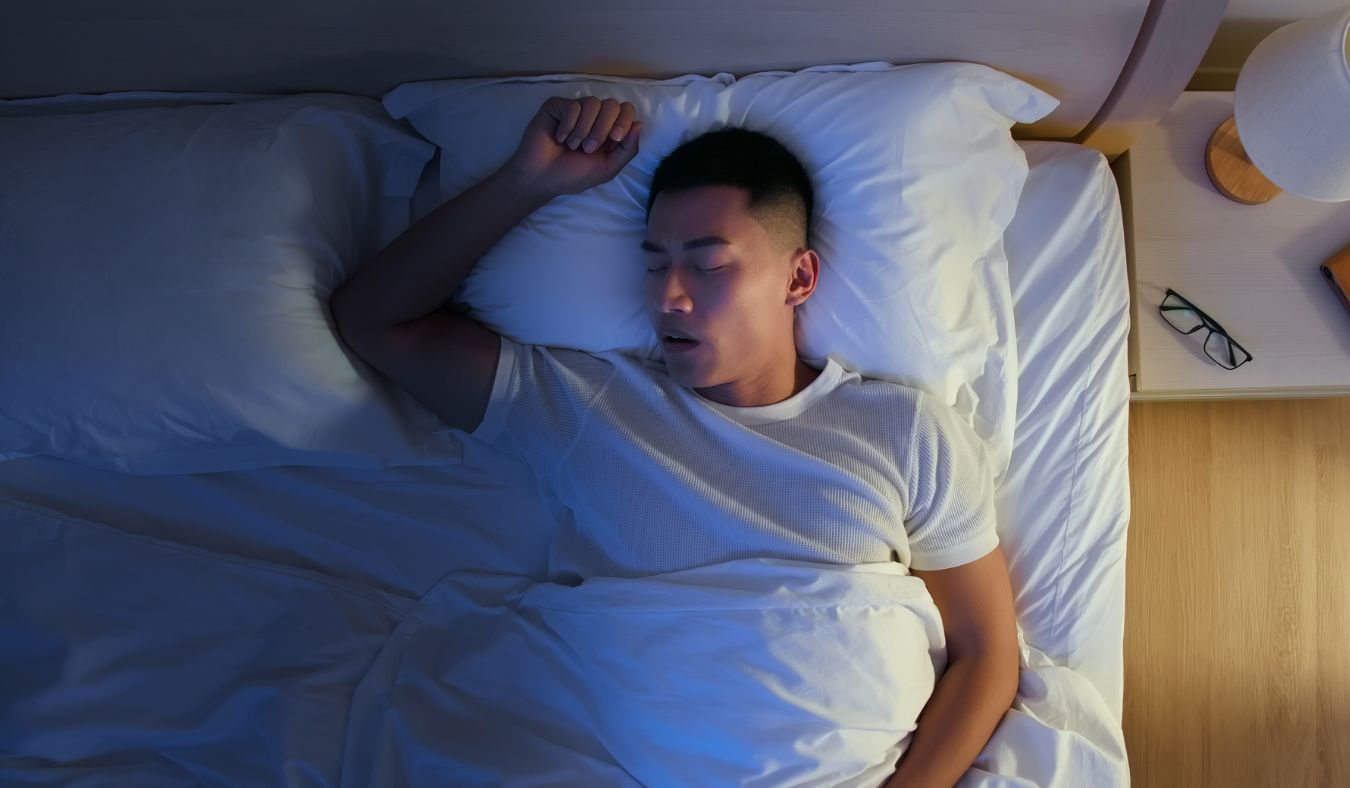
Many adults struggle with constant fatigue, loud snoring, morning headaches, or trouble concentrating during the day without realizing the true cause of their symptoms may be sleep apnea.

Because symptoms often develop gradually, people frequently blame stress, aging, or poor sleep habits instead of recognizing that a medical condition could be affecting their health and quality of life.

Sleep apnea is one of the most common (and most underdiagnosed) sleep disorders among adults. Left untreated, it can impact everything from energy levels and mood to heart health and daily functioning.

Fortunately, with proper diagnosis and treatment from an ENT for sleep apnea near you, many patients experience significant improvements in both sleep quality and overall wellbeing.

What Is Sleep Apnea?

Obstructive sleep apnea (OSA) is a condition that occurs when the airway repeatedly becomes partially or completely blocked during sleep. These interruptions can cause breathing to stop for short periods throughout the night, often without the person noticing.

Each time breathing pauses, oxygen levels drop, and the brain briefly wakes the body to restore airflow. These repeated disruptions prevent the body from reaching deep, restorative sleep stages.

Common Symptoms of Sleep Apnea

  • Loud or chronic snoring
  • Gasping or choking during sleep
  • Excessive daytime fatigue
  • Restless sleep
  • Waking frequently throughout the night

Because these interruptions happen repeatedly, many people with sleep apnea wake up feeling exhausted even after what seemed like a full night of sleep.

Why So Many Adults Don’t Realize They Have Sleep Apnea

One reason sleep apnea often goes undiagnosed is that many symptoms occur while a person is asleep. In many cases, a spouse or partner is the first to notice warning signs such as loud snoring or pauses in breathing.

Since people are unconscious during sleep interruptions, they may not realize how frequently their sleep is being disrupted. Instead, they simply feel tired, foggy, or irritable during the day.

Commonly Misunderstood Symptoms

Sleep apnea symptoms are often mistaken for everyday stress or lack of rest. Common warning signs include:

  • Morning headaches
  • Difficulty concentrating
  • Brain fog
  • Irritability or mood changes
  • Daytime sleepiness
  • Waking up with dry mouth

Many adults assume these symptoms are simply part of a busy lifestyle, which can delay diagnosis and treatment for years.

Common Causes and Risk Factors

Sleep apnea occurs when airflow is blocked during sleep, often due to narrowing or collapse of the airway. Several factors can increase the risk of developing the condition.

Common Contributors to Sleep Apnea

  • Excess weight
  • Enlarged tonsils or soft tissues
  • Deviated septum
  • Chronic nasal obstruction
  • Family history of sleep apnea
  • Aging

It’s important to understand that sleep apnea can affect adults of all ages and body types. Even people who are otherwise healthy may experience airway-related sleep problems.

Because ENT specialists focus on the structures of the nose, throat, and airway, they often play an important role in identifying physical causes of sleep apnea.

The Health Risks of Untreated Sleep Apnea

More Than Just Snoring

While snoring is one of the most recognized symptoms of sleep apnea, the condition involves far more than nighttime noise. Repeated oxygen interruptions and poor-quality sleep can place significant stress on the body over time.

Without treatment, sleep apnea may contribute to serious health complications and reduced quality of life.

Potential Complications

Untreated sleep apnea has been linked to:

  • High blood pressure
  • Heart disease
  • Increased risk of stroke
  • Complications related to Type 2 diabetes
  • Memory and concentration difficulties
  • Increased accident risk due to daytime fatigue

Chronic exhaustion can also affect relationships, work performance, and emotional wellbeing. Many people with untreated sleep apnea feel frustrated by ongoing fatigue without understanding why they never seem fully rested.

The good news is that proper treatment can often improve sleep quality, energy levels, focus, and overall health.

How ENT Specialists Help Diagnose Sleep Apnea

ENT specialists are uniquely trained to evaluate airway anatomy and identify obstructions that may contribute to sleep-disordered breathing.

A sleep apnea evaluation may include:

  • A review of symptoms and medical history
  • Examination of the nose and throat
  • Assessment of airway structure
  • Sleep study recommendations
  • Evaluation of nasal obstruction or enlarged tissues

Understanding where and why airway blockage occurs helps guide the most effective treatment plan for each patient.

For some individuals, issues such as chronic nasal congestion, enlarged tonsils, or a deviated septum may significantly contribute to breathing problems during sleep. Treatment Options for Sleep Apnea

There is no one-size-fits-all treatment for sleep apnea. The best approach depends on the severity of the condition, airway anatomy, and individual health needs.

Treatment options may include:

  • CPAP therapy
  • Lifestyle and weight management recommendations
  • Oral appliance therapy
  • Nasal treatments to improve airflow
  • ENT procedures to address airway obstruction

Some patients benefit from surgical or minimally invasive ENT procedures that help improve airflow through the nose or throat. Others find relief with non-surgical therapies designed to keep the airway open during sleep.

A personalized treatment plan can make a significant difference in both symptom relief and long-term health outcomes. When to Seek Help

If you regularly experience loud snoring, daytime exhaustion, poor concentration, or interrupted sleep, it’s important not to ignore these symptoms. Early diagnosis and treatment can help prevent complications and improve daily quality of life.

Better sleep is not just about feeling rested; it plays a vital role in your physical and emotional health.

More than Just Sleep

Sleep apnea is a common but often overlooked condition that affects millions of adults. Because symptoms are frequently mistaken for stress or normal fatigue, many people go years without realizing their sleep and health are being impacted by an airway disorder.

The good news is that effective treatment options are available. With proper evaluation and personalized care, many patients experience better sleep, improved energy, and enhanced overall well-being.

Better Sleep and Breathing with an ENT for Sleep Apnea Near Me

If you’re struggling with loud snoring, daytime fatigue, or symptoms of sleep apnea, don’t wait to seek help. At Rocky Mountain ENT, we believe that better sleep and better health could start with one important step.

Call today or schedule an appointment online to receive a comprehensive evaluation and personalized treatment plan for sleep apnea.